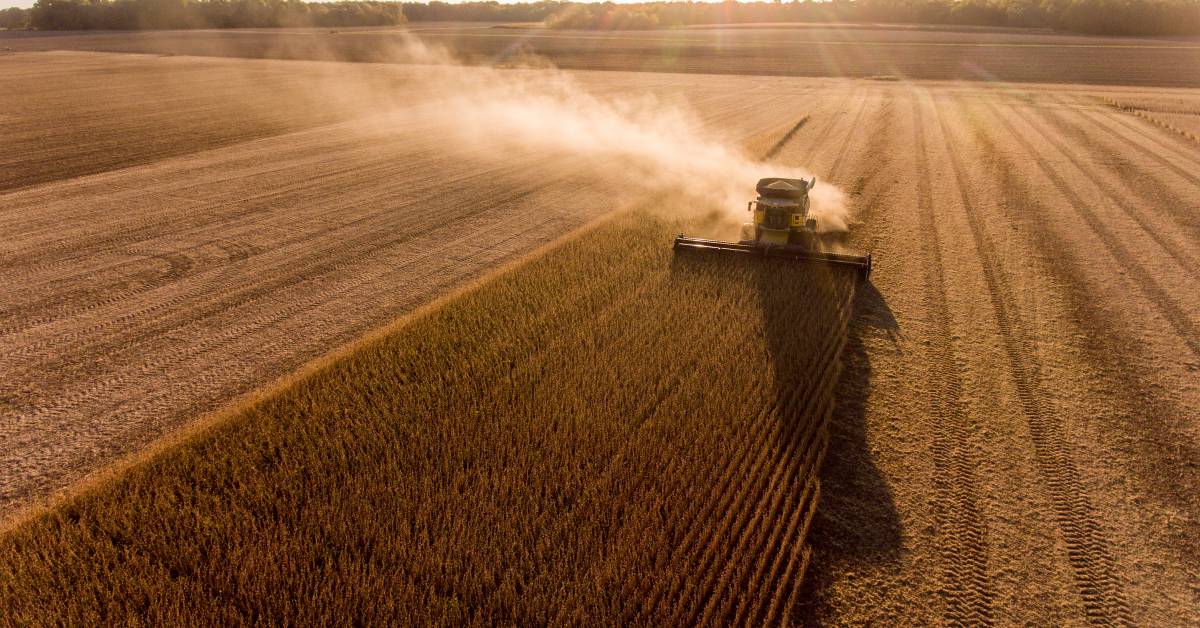

According to FAO data, an estimated 13.3 percent of global food production is lost after harvest due to handling, storage, and transport inefficiencies, making effective harvest planning essential to reduce waste and improve yields. In modern agriculture, harvest planning involves coordinating crop maturity, labor, machinery, storage, and financial resources to ensure that produce is collected efficiently, safely, and profitably.
Effective harvest planning delivers clear financial, operational, and quality benefits. Financially, it helps farmers minimize losses, optimize labor costs, and maximize revenue by reducing spoilage and overharvesting. Operationally, it ensures machinery and labor are allocated efficiently, preventing bottlenecks during peak harvest periods. From a quality standpoint, proper timing and handling maintain crop integrity, support better market prices, and reduce post-harvest degradation.
This step-by-step guide will walk you through the essential elements of harvest planning. You will learn how to assess crop readiness, schedule harvest operations, prepare equipment and storage, optimize yields, use digital tools for real-time tracking, and manage financial aspects effectively. By following these best practices, farms can increase productivity, reduce waste, and turn harvest planning into a strategic advantage for long-term sustainability and profitability.
1. Assessing Crop Readiness Before Harvest
Before starting any harvest, the first step in effective harvest planning is assessing crop readiness. This involves monitoring crop maturity and overall plant health to determine the optimal time for harvesting. Timely assessment ensures maximum yield, maintains quality, and minimizes losses due to premature or delayed harvesting.
Field evaluation is a critical component of this process. Growers should examine soil conditions, moisture levels, and general field health. Observing environmental factors such as rainfall, temperature, and sunlight exposure helps in making informed decisions about when and how to harvest. Integrating crop management practices into these assessments ensures that harvesting aligns with both the farm’s operational capacity and the growth cycle of each crop variety.
Soil and Nutrient Assessment
Soil quality and nutrient levels directly affect crop maturity and productivity. Testing for pH, nitrogen, phosphorus, and potassium helps farmers determine whether additional fertilization is needed. Proper nutrient management not only improves crop yields but also contributes to sustainable agriculture by helping improve soil fertility for future planting cycles.
Pest and Disease Check
A thorough pest and disease inspection is essential before harvest. Infestations or infections can drastically reduce quality and market value. Identifying affected areas early allows for targeted interventions or selective harvesting, ensuring that the majority of crops reach harvest at peak condition.
By carefully evaluating crop readiness through these steps, farmers can ensure that their harvest operations are well-timed, efficient, and yield-focused, setting the stage for effective scheduling and resource allocation in subsequent phases of harvest planning.
2. Scheduling Your Harvest
Effective harvest planning requires more than identifying crop readiness. It demands careful scheduling to ensure each crop is harvested within its optimal window. Planning harvest windows for each crop helps protect quality, maximize market value, and reduce field losses. Different crops mature at different rates, and even within the same field, variations in soil conditions and planting dates can shift timing. Structured scheduling allows growers to prioritize fields strategically rather than reacting to urgency.
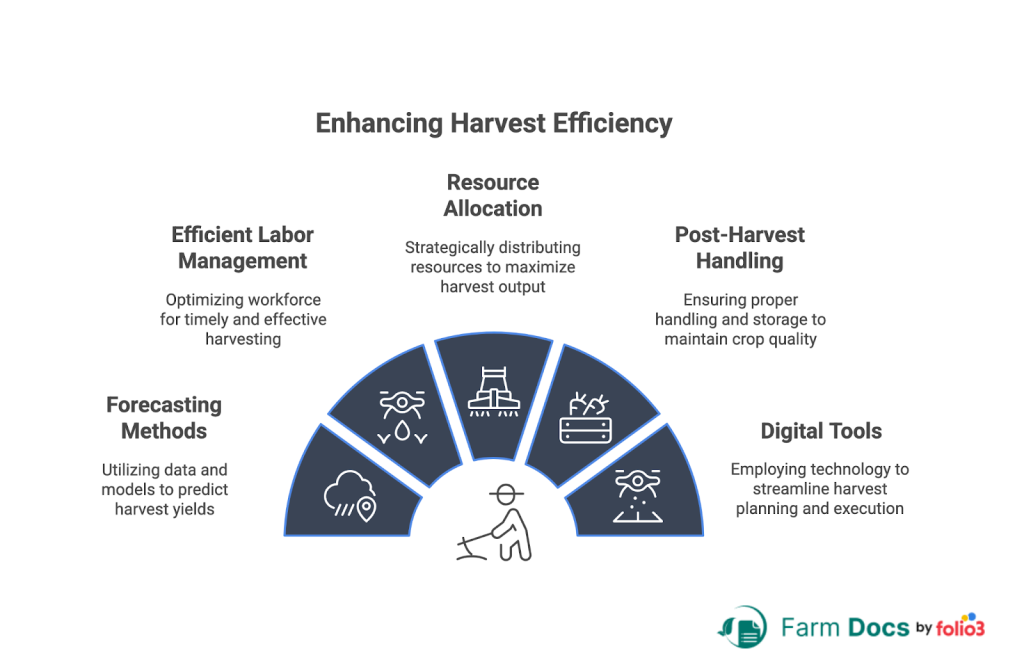
A clear schedule also ensures proper coordination of labor, machinery, and storage capacity. Without alignment across these areas, farms risk bottlenecks that delay harvesting and compromise quality. Integrating structured harvest scheduling into broader harvest planning ensures that equipment, transport, and storage facilities are ready when crops reach peak maturity. This coordination is especially critical during high-volume periods when multiple crops may be ready simultaneously.
Labor Allocation and Machinery Planning
Labor availability often determines how quickly fields can be harvested. Estimating crew size, shift durations, and equipment capacity is essential for maintaining workflow efficiency. Machinery readiness should be verified in advance through maintenance checks, fuel planning, and contingency arrangements. Proper allocation prevents downtime and supports consistent progress throughout the harvest window.
Timing Based on Weather and Crop Type
Weather conditions significantly influence scheduling decisions. Rain, excessive heat, or humidity can delay harvesting or affect crop quality. Crop type also plays a major role. Perishable produce requires tighter timing compared to grains with broader harvest flexibility. Aligning timing decisions with both environmental forecasts and crop characteristics strengthens overall harvest planning, reduces risk, and ensures operations remain controlled rather than reactive.
3. Preparing Equipment and Storage
A critical phase of effective harvest planning is ensuring that all equipment and storage facilities are fully prepared before operations begin. Even the most accurate yield forecasts can be undermined by machinery breakdowns or inadequate storage capacity. Proactive preparation reduces downtime, protects crop quality, and keeps harvest activities aligned with the broader goals of harvest planning.
Servicing machinery in advance minimizes operational disruptions during peak harvest days. Combines, tractors, loaders, and transport vehicles should undergo inspection for engine performance, hydraulic systems, belts, and safety components. Fuel availability and spare parts must also be confirmed. These steps ensure that equipment can operate consistently under high workloads, which is essential for smooth execution within structured harvest planning.
Equipment Checklist
- Inspect and service engines, belts, and moving components
- Calibrate harvesting equipment for crop type and moisture level
- Verify fuel supply and backup reserves
- Stock essential spare parts and maintenance tools
- Test communication systems used during field operations
Storage Condition Optimization
Storage infrastructure must be equally prepared. Grain bins, silos, and cold storage units should be cleaned, inspected, and tested for ventilation efficiency. Moisture control systems must be functional to prevent spoilage and contamination. For farms engaged in grain storage, monitoring aeration systems and temperature levels is particularly important to maintain quality after harvest.
Properly preparing machinery and storage facilities strengthens harvest planning, reduces post-harvest losses, and safeguards both yield and revenue throughout the harvesting cycle.
4. Optimizing Harvest Yields
A well-executed harvest planning process does more than organize timing and logistics. It directly influences how much of the crop is successfully collected and preserved. Optimizing yields at harvest requires precision, coordination, and disciplined field management. When properly aligned with harvest planning, these efforts help farms capture the maximum economic value from each acre by increasing crop yields.
Techniques To Increase Crop Yields During Harvest
- Calibrate harvesting equipment to reduce grain loss or crop damage
- Adjust cutting height and speed based on crop type and field condition
- Harvest at optimal moisture levels to maintain quality and reduce shrinkage
- Train operators to monitor loss indicators during operation
- Sequence fields strategically based on maturity and vulnerability
These practical adjustments, when integrated into structured harvest planning, help increase crop yields by reducing avoidable losses in the field. Even small inefficiencies in machine settings or operator decisions can result in measurable yield reductions over large acreage.
Minimizing spoilage and mechanical damage is equally important. Delays between harvesting and storage can lead to moisture buildup, bruising, or contamination. Careful handling, efficient transport logistics, and immediate transfer to prepared storage facilities reduce these risks. A disciplined approach ensures that crops retain both quantity and market quality.
Field-level monitoring and accurate record keeping further strengthen outcomes. Tracking harvested volumes, moisture readings, and equipment performance data provides actionable insights. Over time, these records refine future harvest planning, enabling farms to identify patterns, adjust strategies, and continuously improve productivity. Through consistent measurement and process control, harvest planning becomes a direct driver of higher yield retention and profitability.
5. Financial Considerations in Harvest Planning
Effective harvest planning is not only operational but also financial. Without a clear understanding of costs and expected returns, even a successful harvest can underperform economically. Budgeting for labor, machinery operation, fuel, maintenance, and storage expenses is a fundamental component of structured harvest planning. These costs often rise during peak season, making early financial preparation essential.
Evaluating cost versus projected revenue per crop allows farmers to prioritize resources strategically. Different crops carry varying margins, input expenses, and market risks. Integrating structured harvest financial planning into overall harvest planning ensures that harvesting decisions are aligned with profitability goals rather than simply operational readiness.
Cost Forecasting For Labor And Equipment
Accurate forecasting begins with estimating workforce requirements, wage rates, overtime needs, and contractor fees if applicable. Machinery-related expenses such as fuel consumption, repair allowances, and depreciation should also be factored in. By forecasting these variables in advance, harvest planning becomes more predictable and financially controlled.
Linking Inventory To Revenue
Harvest output must be aligned with storage capacity and projected sales timelines. Tracking harvested volumes and comparing them to contracted sales or anticipated market prices provides clarity on expected revenue. This connection between inventory levels and sales projections strengthens harvest planning by preventing oversupply, unnecessary storage costs, or missed market opportunities.
When financial discipline supports operational coordination, harvest planning transforms from a seasonal activity into a structured economic strategy that safeguards margins and supports long-term farm sustainability.
6. Post-Harvest Steps and Storage Management
The work does not end once crops leave the field. Post-harvest handling and storage management are critical to preserving quality, protecting revenue, and supporting overall harvest planning objectives. Improper handling during transport, unloading, or storage can quickly reduce market value. Careful coordination ensures that the gains achieved during harvest are not lost afterward.
Proper storage conditions vary depending on crop type. In grain farming, maintaining controlled environments is essential to prevent mold growth, pest infestation, and quality degradation. Monitoring moisture content, temperature levels, and airflow helps reduce spoilage risk and maintain grade standards required by buyers. Regular inspection schedules should be built into operational routines to detect early signs of deterioration.
Cleaning and Sorting Produce
Cleaning harvested crops removes debris, damaged material, and contaminants that could affect overall quality. Sorting allows farmers to separate premium-grade produce from lower-grade batches, improving pricing opportunities and market positioning. This step also reduces the likelihood of spoilage spreading within stored inventory.
Storage Rotation Practices (FIFO / FEFO)
Implementing First In First Out and First Expire First Out practices ensures that older or more perishable stock is sold or processed before newer inventory. These rotation systems reduce waste and maintain consistent product quality.
By combining structured storage protocols with disciplined monitoring, farms strengthen the long-term effectiveness of harvest planning, ensuring that harvested crops retain both quality and financial value throughout the storage cycle.
How FarmDocs Can Help With Planning Your Harvest More Efficiently
Managing a successful harvest requires careful coordination of labor, machinery, storage, and timing. FarmDocs serves as a digital tool designed to streamline these processes and support structured harvest planning. By consolidating field data, inventory information, and scheduling insights in a single platform, FarmDocs allows growers to make informed decisions that reduce waste, optimize resources, and improve overall operational efficiency.
Key Features
- Real-Time Harvest Tracking
- Automated Scheduling Alerts
- Storage and Inventory Integration
- Usage Analytics & Forecasting
- Mobile Field Data Entry
FarmDocs enhances harvest planning by providing actionable insights at every stage. Real-time tracking keeps farms updated on progress across fields, while automated alerts ensure critical tasks are not missed. Integration with storage and inventory systems reduces post-harvest losses, and analytics support smarter forecasting for future operations. Mobile data entry allows teams in the field to input and access information instantly, keeping operations coordinated and transparent. By using FarmDocs, farms can transform harvest planning from a reactive process into a proactive, data-driven strategy that safeguards yield, quality, and profitability.
Conclusion
Structured harvest planning is a critical factor in achieving both operational efficiency and financial success on the farm. By proactively coordinating crop readiness, labor, machinery, and storage, growers can reduce losses, maintain produce quality, and optimize the use of resources. Farms that adopt systematic planning consistently experience improved yields, lower spoilage, and more predictable revenue streams.
Beyond operational benefits, effective harvest planning strengthens financial outcomes. Accurate forecasting, cost tracking, and timely execution help farmers allocate budgets wisely and avoid emergency expenses. Combining these practices with digital tools enhances visibility, simplifies record keeping, and enables data-driven decision-making across all stages of the harvest.
Embracing structured systems and modern platforms transforms harvest planning from a routine task into a strategic advantage. Farms that leverage technology and organized processes can minimize waste, increase productivity, and ensure long-term profitability. Ultimately, investing in disciplined harvest planning is an investment in operational resilience, market competitiveness, and sustainable growth.
FAQs
What Is A Harvest Plan?
A harvest plan is a structured strategy that outlines when, how, and with what resources crops should be collected. It ensures optimal timing, reduces losses, and aligns labor, machinery, and storage to maximize yield and quality.
What Are Three Major Harvesting Practices?
The three major harvesting practices include manual harvesting, mechanical harvesting using machinery, and a combination of both methods. Choosing the right practice depends on crop type, farm size, and operational efficiency goals.
What Is The Easiest Crop To Harvest?
Crops like lettuce, radishes, and other small leafy vegetables are generally considered the easiest to harvest due to their short growth cycles, low labor requirements, and minimal machinery needs.
How Can Digital Tools Improve Harvest Planning?
Digital tools enable real-time tracking, automated scheduling, and inventory integration, allowing farmers to make data-driven decisions, reduce waste, and optimize labor and storage resources during the harvest.