When every minute counts, inventory mistakes cost more than time. They cost profit. FarmDocs, an AI-powered farm inventory management software, helps you get live bin visibility, structured inventory adjustments, and complete grain movement tracking throughout harvest.


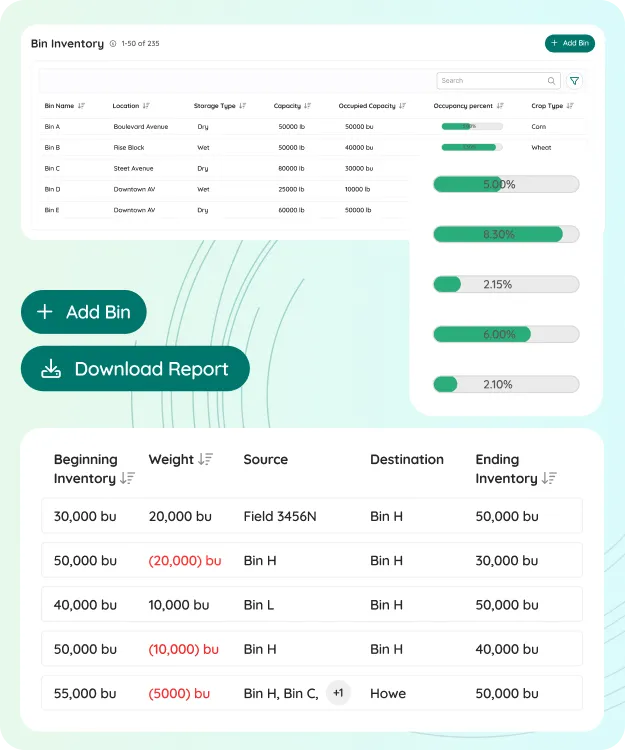
End the stress of endless "which bin" check-ins. Real-time bin occupancy dashboard in the farm inventory software shows you exactly what is stored where, keeping your harvest logistics moving fast.
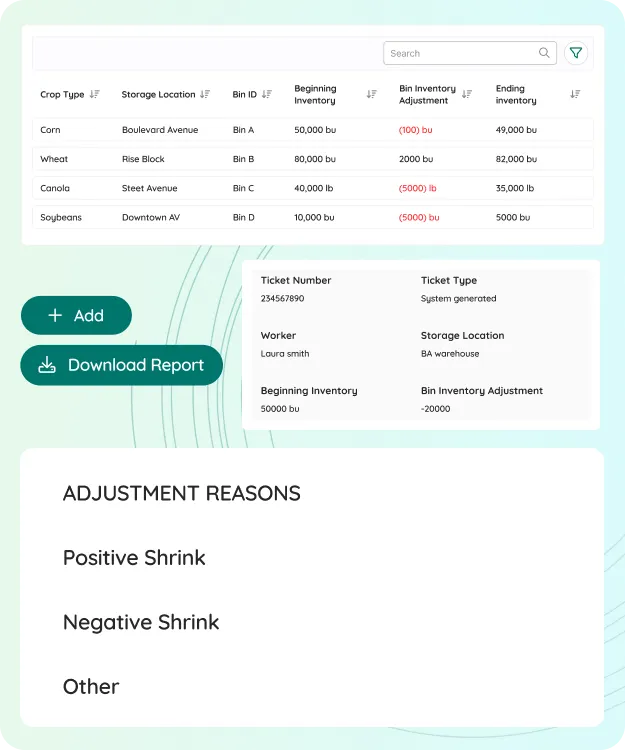
Grain weight changes over time; your inventory records should keep up. Document shrinkage and spoilage in farm inventory management software accurately to protect your margin and maintain clean reconciliation.
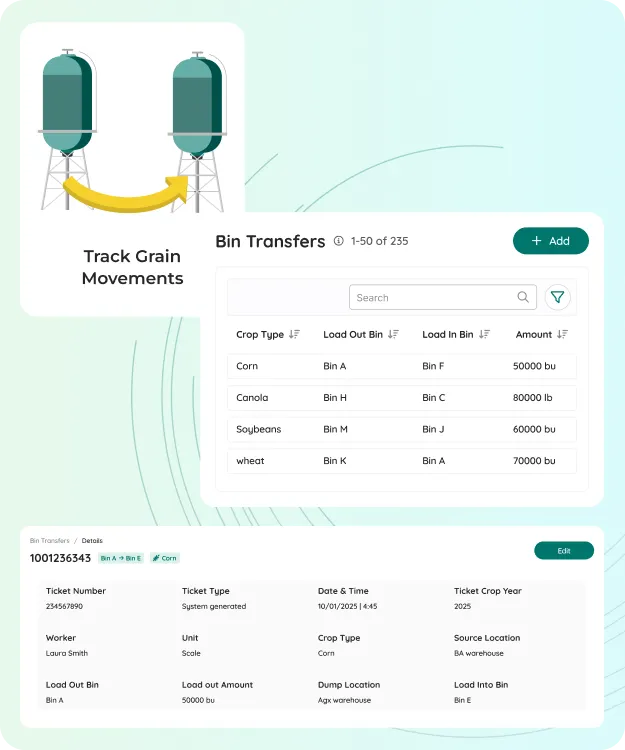
During peak harvest, bins fill and empty rapidly. In a farm ag inventory management software, track every bin-to-bin transfer clearly to prevent confusion, avoid double-counting, and maintain accurate inventory across locations.
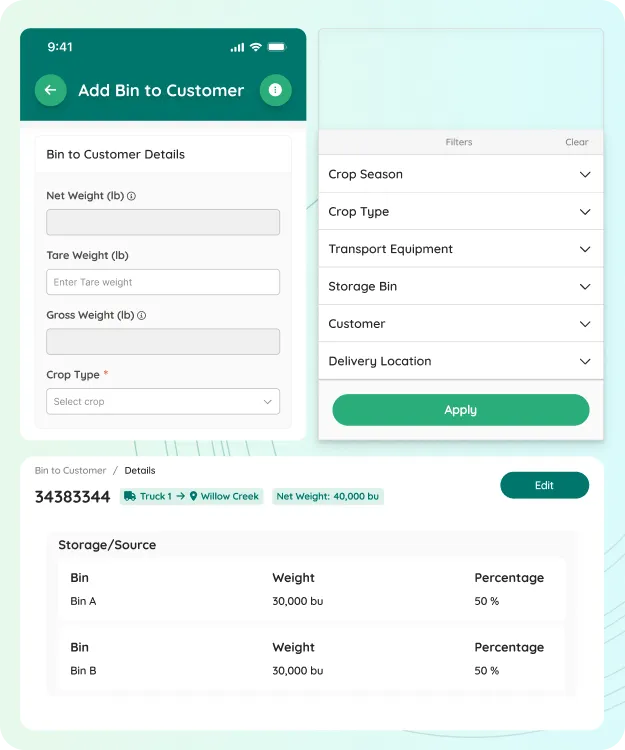
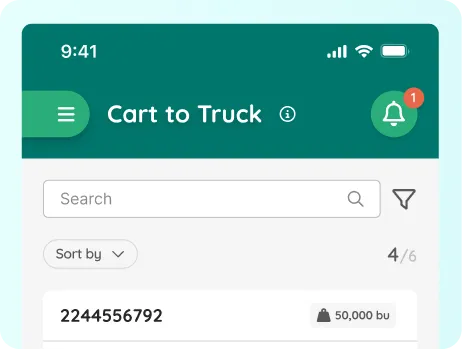
With an AI-powered farm supply inventory management software, ensure every outbound load is documented and deducted correctly to maintain contract alignment and prevent costly reconciliation or payment delays.
Gain total control over your post-harvest margins. FarmDocs turns physical grain into real-time digital assets, ensuring every bushel is tracked, protected, and ready for settlement.

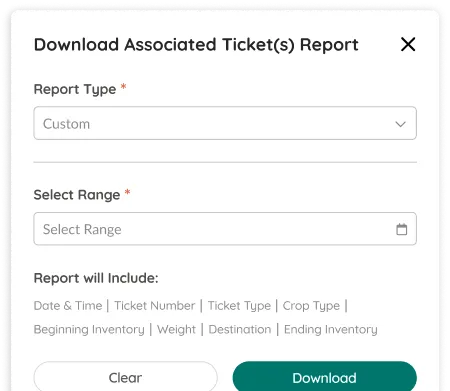
Stop relying on scattered records and buyer-side calculations. Maintain accurate inventory data so every delivery, adjustment, and contract stays financially aligned.
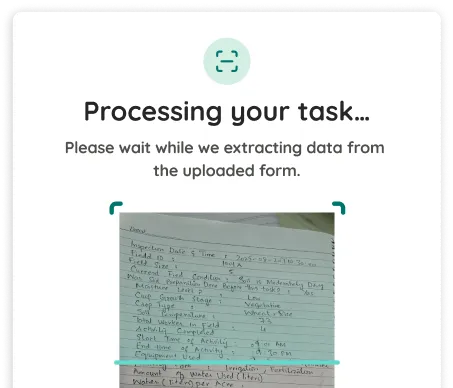
Scan scale tickets and field records to digitize harvest data instantly, saving time and removing the risk of manual transcription mistakes.
Gain total control over your post-harvest margins. FarmDocs turns physical grain into real-time digital assets, ensuring every bushel is tracked, protected, and ready for settlement.
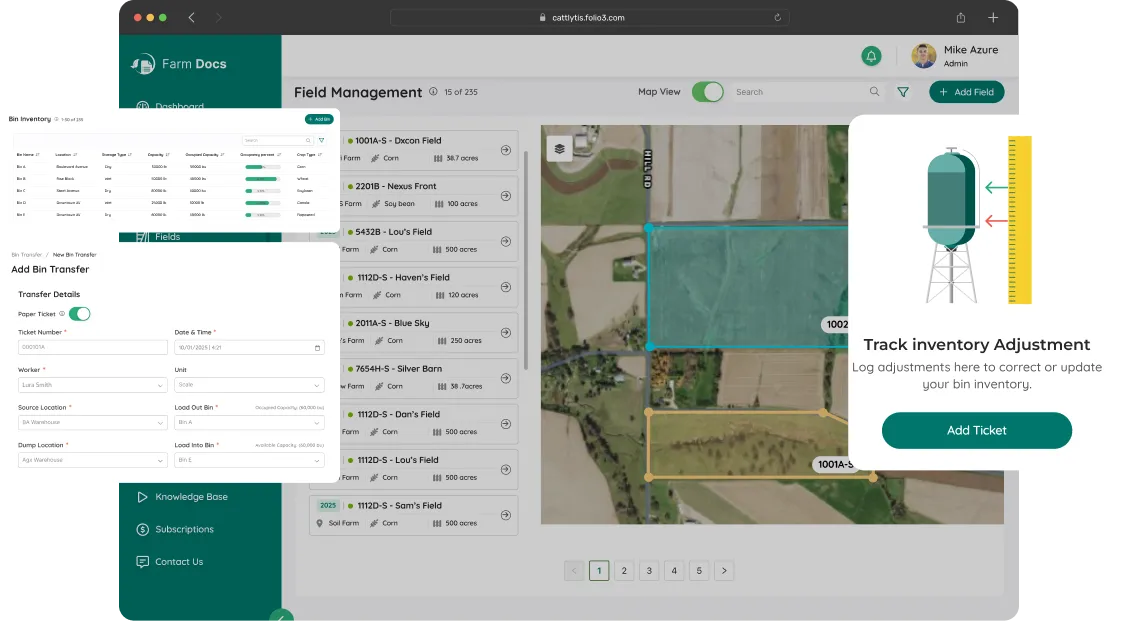
Track harvest activities, loads, and field operations with clear, organized visibility.
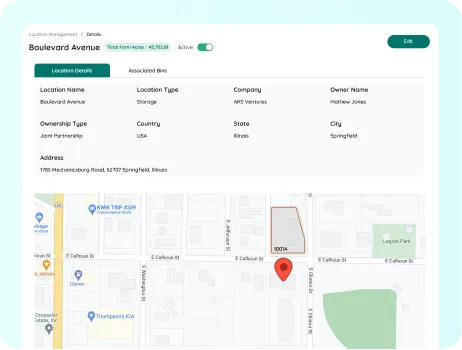
Map and organize farms, storage sites, and delivery locations with clarity.
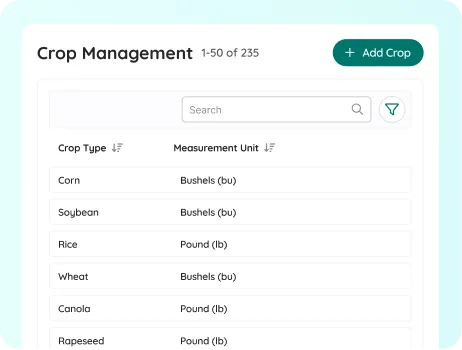
Manage crop types, seasons, and production data across fields and storage.
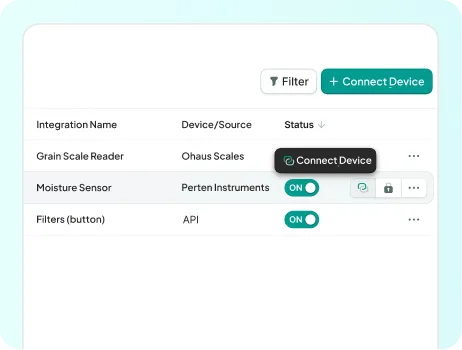
Connect scales and sensors to capture crop weight and moisture automatically.
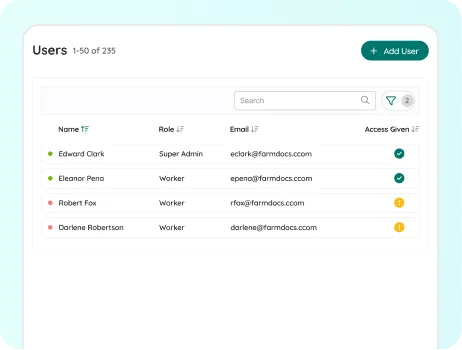
Give teams secure, role-specific access to the data they need.
Once grain leaves the field, records often get scattered across scale tickets, spreadsheets, and phone calls. A grain inventory management software like FarmDocs keeps every movement, adjustment, and delivery recorded in one place so nothing slips through the cracks.
During peak harvest, teams need to know immediately which bins have space and where grain should go next. FarmDocs provides real-time bin visibility so trucks keep moving instead of waiting for storage decisions.
Most operations struggle with lost tickets, inventory discrepancies, and time-consuming reconciliation after harvest. Farm inventory management software brings structure to grain movements, adjustments, and deliveries so inventory records stay accurate throughout the season.
Yes. Paper records can be scanned and digitized, turning scale tickets and harvest logs into structured digital inventory data. This removes the need for manual re-entry and keeps historical records organized.
Accurate settlement depends on knowing exactly what was stored, moved, and delivered. By maintaining a complete digital record of these activities, software like FarmDocs makes reconciliation faster and reduces disputes with buyers.
Absolutely. When operations span multiple farms, bins, and delivery sites, it becomes difficult to maintain clear inventory visibility. FarmDocs centralizes storage data so teams can monitor inventory across locations without relying on memory or manual logs.
Discrepancies usually occur when transfers, adjustments, or deliveries aren’t recorded properly. With structured digital tracking, farm ag inventory software ensures every movement is logged and inventory balances remain accurate.
Many farm systems focus on field operations or crop planning. FarmDocs focuses on harvest and post-harvest grain logistics, tracking what’s stored, where it’s moved, and what’s been delivered.
Yes. Over time, historical inventory data provides insight into storage usage, harvest volumes, and delivery trends. This helps farms make better decisions about storage capacity and logistics for upcoming seasons.
Not at all. Even smaller operations benefit from having clear records of storage, transfers, and deliveries. As harvest operations grow, the value of organized inventory data becomes even more significant.